Volunteer Overlords: The Unelected Mods Running Gaming's Biggest Communities

If you've ever been muted, banned, or quietly shuffled out of a Discord server without explanation, you already know the feeling. One minute you're part of the community. The next, a little red notification tells you the invite link is invalid and the door is closed. No appeal. No explanation. Just gone.
What you probably didn't stop to think about is who made that call — and what exactly gave them the authority to make it.
The Unofficial Org Chart Nobody Talks About
Here's the thing that doesn't get discussed nearly enough in conversations about gaming culture: the people who actually control access to your favorite communities aren't developers, aren't community managers hired by studios, and definitely aren't executives. They're volunteers. Regular people who spend anywhere from a few hours to an entire workday managing channels, enforcing rules, and making judgment calls that shape the culture of spaces with tens of thousands of members.
And their power? It's real. Like, surprisingly real.
In the hierarchy of a major gaming Discord, a senior moderator can determine what topics get discussed, which fan theories gain traction, which content creators get promoted in the announcements channel, and which members get access to exclusive beta or early-access roles. They're the bouncers, the editors, and sometimes the unofficial PR team all rolled into one unpaid position.
For games with massive community-driven ecosystems — think anything from survival crafting titles to competitive shooters with active ranked scenes — the Discord server is the game's social infrastructure. The studio might own the IP, but the mods own the room.
Power Without a Paycheck
The uncomfortable math here is pretty straightforward. Studios benefit enormously from having organized, moderated community spaces. Active Discord servers drive engagement, surface feedback, retain players between content updates, and serve as free marketing engines. Riot, Bungie, indie darlings with five-person teams — they all rely on this infrastructure.
But almost none of the people building and maintaining it get compensated.
What they get instead is influence. Access. A colored username and a set of permissions that, in the context of a 50,000-member server, translates into genuine social capital. That's not nothing — but it's also not a salary, not health insurance, and definitely not recognition outside the server itself.
The power dynamic gets even weirder when you consider what happens when a mod and a studio disagree. In theory, the studio can revoke admin privileges, nuke the server, or build a new one from scratch. In practice, doing that to an established community is a PR disaster. The mods know this. Sometimes they use it.
There are documented cases — mostly whispered about in gaming circles rather than splashed across headlines — of community mods effectively holding studios hostage by threatening to splinter communities, migrate members to rival servers, or simply walk away en masse during critical launch windows. It's not extortion in any legal sense, but it's leverage. Real leverage.
The Burnout Pipeline Is Basically Guaranteed
Spend any time talking to people who've actually done long-term moderation work and a pattern emerges pretty fast. It starts with genuine passion. Someone loves a game deeply enough to want to help build the community around it. They volunteer, get the role, and discover that moderation is basically a part-time job with none of the benefits.
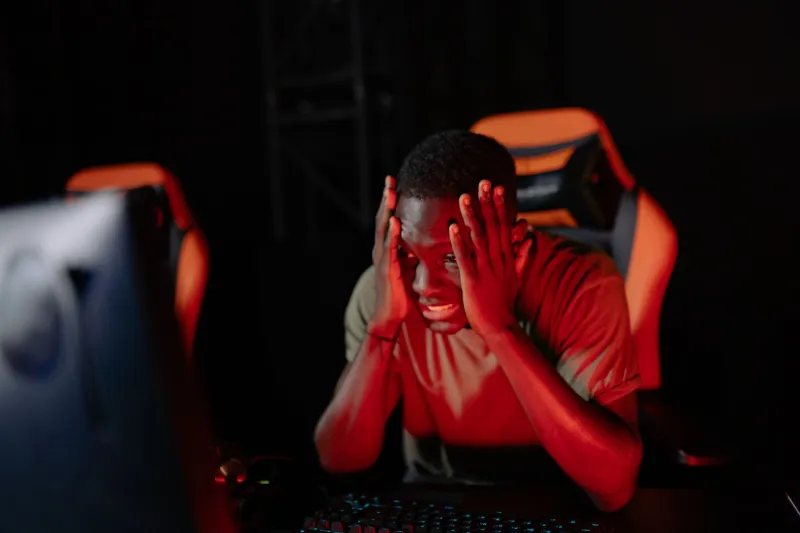
The workload scales with the community. A server that hits critical mass during a game's launch window can generate hundreds of support tickets, ban appeals, rule disputes, and drama threads in a single day. Mods are expected to be available, responsive, and emotionally level-headed — often while also being players who just want to enjoy the game themselves.
Burnout isn't a risk in this system. It's the expected outcome. Communities cycle through mod teams the way studios cycle through live-service content patches. The passionate ones burn out, step down, and get replaced by the next wave of enthusiastic volunteers who haven't learned the lesson yet.
What gets lost in that churn is institutional knowledge, community relationships, and the subtle cultural understanding that makes a moderation team effective rather than just technically functional. When a mod team turns over, the whole character of a community can shift — and most members don't even notice until something goes sideways.
Who Actually Owns the Playground?
This is the question that doesn't have a clean answer, and it's the one that matters most.
JAOPG is literally built around the idea of a playground — a space where people come to play, connect, and build something worth caring about. But playgrounds need caretakers. And when those caretakers are volunteers operating inside infrastructure they don't own, serving communities they didn't create, enforcing rules they sometimes helped write but sometimes inherited from whoever came before them — the ownership question gets genuinely murky.
Discord the company owns the platform. Studios own the IP and often the official server itself. But the community? The culture, the inside jokes, the unwritten norms that make a server feel like home rather than a corporate support forum? That belongs to the people who showed up every day and built it.
Mods are the ones who did most of that work. And right now, the industry has no real framework for acknowledging that — financially, legally, or even just culturally.
What Happens When It All Falls Apart
We've seen glimpses of what the breaking point looks like. Reddit's mod revolt in 2023 — while not gaming-specific — showed what happens when volunteer labor decides it's done being taken for granted. Gaming communities have had their own smaller versions of that moment, mostly invisible to anyone outside the server.
The studios that figure out how to treat their community moderators as genuine partners — with some form of compensation, clear communication, and actual respect for the labor involved — are going to build more durable communities than the ones who keep treating mods like free infrastructure.
Until then, the people with the ban hammer will keep running the playground. Whether that's a good thing probably depends on which side of the ban you've been on.