The Anger Algorithm: Why Your Game Is Designed to Keep Its Worst Players
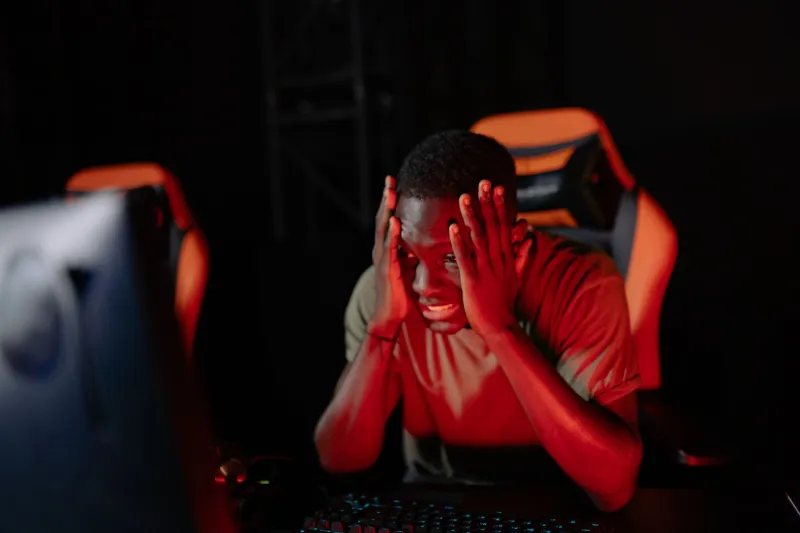
Let's start with something that sounds counterintuitive but holds up under scrutiny: the player who just called you a slur in the post-match lobby and rage-quit three ranked games in a row is probably worth more to the studio than you are.
Not morally. Not socially. But economically? Almost certainly.
That's not an accusation. It's just where the numbers lead when you follow them honestly.
Engagement Is the Metric That Ate Everything
To understand why toxic players are so economically valuable, you have to understand how modern game studios measure success. Revenue matters, obviously. But the metric that shapes almost every live-service design decision — the one that determines whether a game gets more resources or gets quietly sunsetted — is engagement. Time in game. Daily active users. Session frequency. Return rate.
And here's the brutal truth about engagement: anger is one of the most reliable drivers of it.
A player who logs on, plays a few matches, has a good time, and logs off after an hour is a healthy, normal user. A player who gets wrecked, slams their desk, queues again immediately because they can't end on a loss, and spends another three hours chasing a feeling they can't quite catch? That player is an engagement goldmine. The session length, the return visits, the compulsive queue behavior — all of it reads beautifully on a dashboard.
Studios don't design games to make players angry on purpose. But they design games to maximize the metrics that angry players naturally inflate. The distinction matters less than you'd think.
The Spend Pattern Nobody Wants to Publish
Engagement is one thing. Spending is another. And the data on spending behavior in live-service games — the stuff that leaks out through academic research, industry conference talks, and the occasional whistleblower — tells a story the studios would rather not narrate themselves.
Highly emotionally engaged players spend more. That's the finding that keeps showing up. And emotional engagement isn't always positive. Frustration, competitive spite, the desperate need to win after a losing streak — these emotional states correlate with impulsive purchasing behavior in ways that calmer, more satisfied players simply don't replicate.
The player who buys a new skin after a great win feels good. The player who buys a new skin after a brutal loss because they're convinced their old loadout was the problem? They're operating on a different psychological register entirely. And they often buy again faster.
None of this is accidental. Loot boxes, battle passes, and cosmetic stores are all designed with friction and emotional timing in mind. The question of whether studios are deliberately targeting emotionally dysregulated players is complicated — but the question of whether they're aware of the correlation and doing nothing to disrupt it is a lot less complicated.
What Casual Players Actually Cost the Ecosystem
Here's where the math gets genuinely dark. Every casual player who quits a game because the community is toxic represents lost potential revenue. But that loss is diffuse, hard to attribute, and easy to rationalize away. The engagement numbers from the players who stayed — including the toxic ones driving people out — look fine on the dashboard. Better than fine, often.
This creates a structural incentive to underinvest in the tools and systems that would actually clean up community behavior. Robust reporting systems, meaningful ban consequences, matchmaking that separates high-toxicity players from new users — all of these cost money to build and maintain. The ROI is measured in players you don't lose, which is a much harder number to put in a quarterly report than players who are actively spending.
So studios do the math — consciously or not — and conclude that the cost of tolerating toxicity is acceptable. The casual players who leave were probably lower-spend users anyway. The angry core stays, keeps queueing, keeps buying. The game lives another season.
The long-term cost of that calculus is a genre-wide reputation problem. New players hear about the community before they ever install the game. Competitive gaming spaces — shooters especially, but MOBAs and fighting games too — carry cultural baggage that actively prevents growth into broader demographics. Women, older players, anyone without a thick skin and a high tolerance for verbal abuse: they hear the stories and decide their time is worth spending elsewhere.
The JAOPG Angle: Who's Playground Is It, Really?
We talk a lot about gaming as a playground — a space that's supposed to be open, fun, and worth coming back to. But a playground where a third of the kids are throwing rocks at everyone else isn't really a playground for most people. It's a rock-throwing range with some equipment nearby.
The studios that crack this — that find a way to make good behavior as economically rewarded as compulsive engagement — are going to have a genuine competitive advantage. Not just morally. Financially. The addressable market of people who would play online games if the experience weren't miserable is enormous. It dwarfs the marginal spend of the rage-quitters.
Some studios are starting to figure this out. Positive behavior systems, social rewards for good sportsmanship, matchmaking that prioritizes player experience over raw queue time — these exist in various forms. They're just not the industry standard because the industry hasn't felt enough financial pressure to make them one.
The Cost Nobody's Counting
There's one more number worth sitting with. Industry research consistently finds that acquiring a new player costs significantly more than retaining an existing one. If toxic communities are driving casual players out before they convert into habitual users, the real cost isn't just the lost spend from those specific players — it's the acquisition cost the studio has to eat to replace them.
Run that math across millions of players over multiple years and the economics of tolerating toxicity start looking a lot less smart.
Angry players are profitable today. They're a liability tomorrow. The studios that understand the difference are the ones worth watching.