Log Off, Tune Out: The Quiet Exodus of Streaming's Biggest Stars

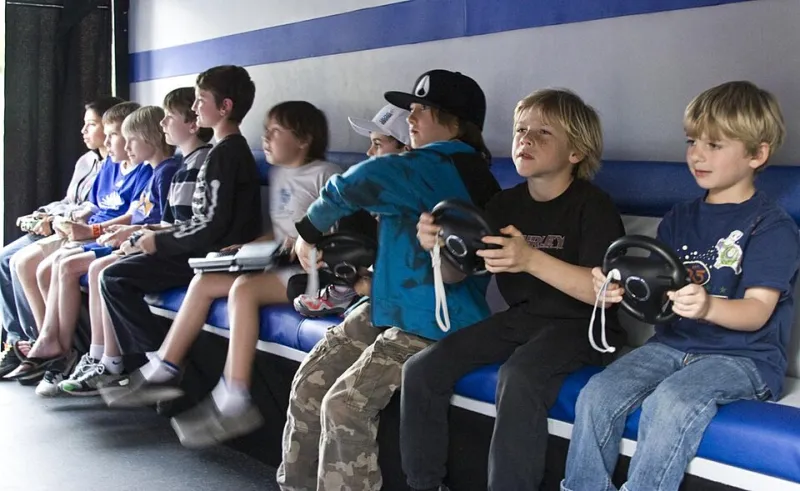
Photo by Photo by Ritupon Baishya on Unsplash on Unsplash
For a while there, it seemed like the ultimate cheat code. Play games for a living, build a loyal fanbase, rake in subscriptions and sponsorships — all from the comfort of your own setup. The streamer success story became one of the defining career fantasies of the 2010s and early 2020s, right up there with pro athlete and chart-topping musician. Every kid with a capture card and a decent mic thought they were one viral clip away from quitting their day job.
But something has shifted. Quietly, and then all at once, some of the biggest names in live gaming content have been stepping away. Not for a vacation. Not for a collab project. Just... away. And the reasons behind that exodus are worth paying attention to — because they say a lot about what this industry actually costs the people who power it.
The Algorithm Doesn't Sleep, But Streamers Do
Here's the thing nobody tells you when you're watching your favorite streamer crush it with 40,000 concurrent viewers: the algorithm is basically a treadmill with no off switch. Platforms like Twitch and YouTube Live reward consistency above almost everything else. Stream frequently, stream long, and stream at the same time every day — or risk watching your numbers crater while someone else fills your time slot.
For creators who built their audiences over years of grinding, that pressure doesn't ease up once they've made it. If anything, it intensifies. More subscribers means more expectations. More expectations means more streams. More streams means less time to be a human being with a life outside the camera frame.
Several high-profile streamers who've taken extended breaks have cited this exact trap. The content calendar stops feeling like a schedule and starts feeling like a sentence. You're not playing games anymore — you're performing gaming, on demand, for an audience that's watching the clock.
Always On, Never Whole
There's a psychological dimension to this that doesn't get nearly enough airtime. Streamers aren't just broadcasting gameplay — they're maintaining what researchers call parasocial relationships with their audiences. Viewers feel genuinely close to the creators they watch. They know their opinions, their habits, their inside jokes. That sense of intimacy is exactly what makes streaming so compelling as a medium.
But for the streamer on the other end, it creates an impossible dynamic. You're expected to be warm, accessible, and emotionally present for thousands — sometimes millions — of people, every single stream. Miss a day and the DMs pile up. Take a week off and the speculation starts. Take a month and your community begins to fracture.
Burnout in traditional jobs is rough. Burnout when your job is also your identity, your social life, and your primary source of human connection? That hits differently. A number of creators have described feeling like they couldn't distinguish between who they were on camera and who they actually were. The persona swallows the person.
Monetize Everything, Lose Something
There's also the monetization spiral to consider. Once a streamer reaches a certain tier of success, the revenue opportunities multiply fast — brand deals, sponsored streams, merch drops, paid subscriber tiers, Patreon exclusives, NFT experiments (remember those?), and on and on. Each new revenue stream sounds like a win. Collectively, they turn every moment of content into a transaction.
Creators who got into streaming because they genuinely loved games and wanted to share that love with people can find themselves years later running what amounts to a small media company, with all the stress and administrative overhead that implies. The joy that sparked the whole thing gets buried under spreadsheets and brand briefs.
Some streamers have talked openly about hitting a point where they couldn't remember the last time they played a game just for fun — just for themselves, with no audience, no commentary, no clip potential. That's a rough place to land for someone whose whole identity was built around loving games.
The Ones Who Stepped Back
A handful of prominent creators have gone public about their decisions to slow down or shift formats entirely. Some pivoted to pre-recorded YouTube content, which offers more editorial control and doesn't demand the same real-time presence. Others moved toward podcasting or long-form video essays — content that can be made on a more sustainable schedule without the live-stream grind.
A few just went quiet. No announcement, no farewell stream, no dramatic exit. One day they were live every afternoon, and then they weren't. For some, the silence itself was the statement.
What's notable is how many of these departures have been met with genuine understanding from their communities. The parasocial relationship, it turns out, isn't entirely one-sided. Plenty of viewers — especially the ones who've been watching long enough to feel like they actually know these people — would rather their favorite creator be healthy and happy than burned out and performing wellness on camera.
The Glamour Gap
The streamer success story still gets told in the most flattering possible terms. Gaming media (yes, including us here at JAOPG) tends to cover the wins — the record-breaking viewer counts, the seven-figure deals, the community moments that become internet legend. The grind, the isolation, the pressure to be perpetually entertaining — that stuff is harder to package into a headline.
But if we're being honest about what gaming culture actually looks like right now, the burnout crisis in content creation is part of that picture. These aren't just entertainers burning the candle at both ends for a paycheck. Many of them are people who built their entire sense of purpose around a platform that demands more than any human being can sustainably give.
What Comes Next
The streamers who are stepping back aren't disappearing from gaming culture — most of them are still deeply embedded in it. They're just trying to find a version of it that doesn't cost them everything. Some will return with new formats, new boundaries, and a clearer sense of what they're willing to put on camera. Others may find that the distance gave them exactly the perspective they needed to walk away for good.
Either way, the conversation they're forcing is an important one. The playground — and yeah, we mean that literally — should be a place where people actually want to show up. When the game stops being fun for the people playing it in front of millions of viewers, something in the system needs to change.
The next generation of streamers is watching how this plays out. Here's hoping the ones who burned brightest and stepped back give them a roadmap for doing this thing differently — sustainably, honestly, and with a little bit of themselves still intact when the stream ends.