You're Not the Target Audience Anymore: How Streaming Rewired What Games Are Built For
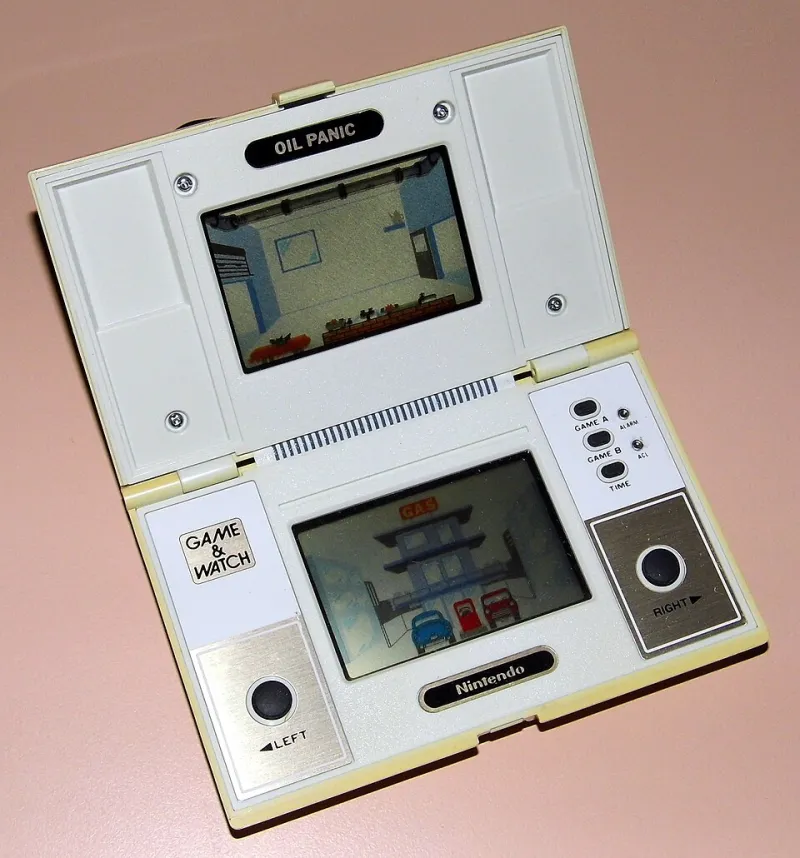
Photo: Joe Haupt from USA, CC BY-SA 2.0, via Wikimedia Commons
Picture this: you're forty-five minutes into a new game. The controls feel a little floaty. The pacing is slow. There's a lot of dialogue and not a ton of payoff. But your favorite streamer played it last week and their chat was absolutely losing it the whole time.
That gap — between what's fun to watch and what's fun to actually play — is getting wider. And it's not an accident.
Two Completely Different Games
The streaming economy has quietly split gaming into two parallel experiences that share the same disc but serve very different masters.
For a streamer with 50,000 concurrent viewers, a game needs to deliver moments. Big, readable, shareable moments — dramatic boss fights, hilarious failure states, plot twists that make chat go wild, jump scares that produce genuine reactions. The streamer's job is entertainment, and the game is their raw material. What makes a stream great is often very different from what makes a game great.
For you, sitting alone or with a friend on a Tuesday night with a couple hours to kill, you need something else entirely. You need pacing that respects your time. Difficulty that feels fair, not punishing-for-content. Systems deep enough to engage your brain without requiring you to narrate your thought process to an audience of thousands. Quiet moments that land emotionally without a chat overlay telling you to "FEEL THIS."
Increasingly, the games being greenlit, funded, and designed at major studios are optimized for the first experience. Players in the second category are figuring that out the hard way.
The Streamer-Bait Design Pattern
Spend some time looking at what separates games that dominate Twitch from games that quietly build devoted personal fanbases, and you start noticing some consistent patterns.
Streamer-friendly games tend to have: frequent, dramatic set pieces. Loud, visually distinctive enemies or characters. Failure states that are funny or spectacular rather than just frustrating. Heavy emphasis on social mechanics — things that generate chat interaction like polls, viewer-influenced events, or shared decision-making. Jump scares. Memes baked directly into the dialogue. Cosmetic systems that make every session look different.
Games designed for personal enjoyment tend to prioritize: mechanical depth that rewards time investment. Subtle environmental storytelling. Difficulty curves tuned for individual skill growth. Quiet, contemplative moments. Systems that feel good to master privately, even if they'd look boring on camera.
The first list describes a lot of games getting massive marketing budgets right now. The second list describes a lot of games that get called "underrated" on Reddit two years after launch.
The Developer Incentive Structure
Here's the uncomfortable business reality: a single major streamer playing your game for eight hours in front of a million viewers is worth more in marketing value than most studios can afford to buy outright. When Among Us blew up on Twitch in 2020, it went from a game with a few thousand players to a global phenomenon overnight — not because the game changed, but because it turned out to be extraordinarily watchable.
Studios noticed. Publishers definitely noticed.
Since then, the question "will streamers play this?" has become a serious factor in development conversations. Design decisions get evaluated through that lens. Narrative beats get written with clip-ability in mind. Difficulty systems get tuned to produce the kind of satisfying-to-watch struggle that keeps audiences engaged.
None of this is inherently evil. It's just business logic doing what business logic does: following the money. But the downstream effect on players who have no interest in content creation — who just want to sit down and have a good time in their own personal playground — is real and worth talking about.
The Casual Player Gets Left Behind
The casual gaming audience is enormous. According to most industry research, the majority of people who play games don't stream, don't post content, and don't engage deeply with gaming communities online. They buy a game, play it for a while, and move on. This is not a niche group. This is most gamers.
And yet, the design conversation in AAA gaming is increasingly dominated by what plays well on camera. Accessibility options — which should be about letting more people enjoy a game — sometimes get framed publicly as "content difficulty" settings, as if the primary reason to make a game easier is so streamers can do challenge runs. Social features get bolted onto games that don't need them. Multiplayer modes get added to single-player games because shared experiences generate more content.
The casual player sitting on their couch just wants to have fun. They're not thinking about their brand. They're not building a highlight reel. They just want to be entertained on their own terms.
That player is getting a product designed for someone else.
The Watch-vs-Play Disconnect in Practice
Some specific examples make this concrete. Horror games are a fascinating case study. The genre has seen a massive commercial revival over the past decade, and streaming is a huge reason why. Jump-scare heavy horror games that might offer three or four hours of actual gameplay routinely outperform deeper, more atmospheric horror titles because the reaction content is gold.
But playing a jump-scare game alone, without an audience to share the experience with, is often just... not that fun. The scares feel cheap. The gameplay is thin. The experience is engineered for performance, not for feeling.
Similarly, games with heavy randomization and "anything can happen" energy — like Fall Guys or certain battle royale titles — make for incredible streaming because every session is genuinely different and the chaos is readable to an outside audience. But for the solo player grinding through their fifteenth consecutive match without a win, the experience can feel exhausting and unrewarding in ways that don't show up in the highlight clips.
There's Still a Playground for You
This isn't a call to boycott streaming or resent the streamers who've built careers doing something they love. The content economy is real, and it's produced some genuinely great outcomes — games that might have died in obscurity found massive audiences because a streamer took a chance on them.
But players who feel like modern games aren't speaking to them anymore should know that their instinct is probably correct. The target demographic has quietly shifted, and nobody sent out a memo.
The good news? The indie space — which has always been the scrappier, weirder wing of this playground — is still largely building for players first. Small studios don't have the budget to court streamers, so they focus on making something that feels good to actually play. That's where a lot of the most satisfying gaming experiences are living right now.
The mainstream might have changed its address. But the playground is still out there.