Nostalgia Is a Racket and Gen Z Is Footing the Bill
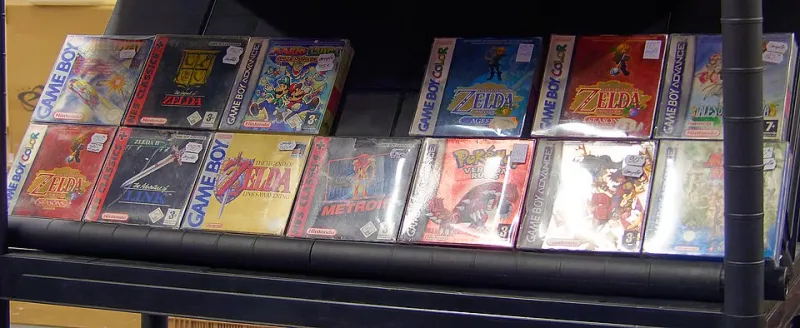
Ask a 45-year-old what the greatest games ever made are and you'll get a very specific list. Super Mario Bros. The Legend of Zelda. Final Fantasy VII. Sonic the Hedgehog. Donkey Kong Country. These are legitimate classics — games that genuinely shaped the medium and deserve their place in history.
But here's the question nobody's asking loudly enough: why are those the same games a 16-year-old is being sold right now, in 2025, as the pinnacle of the form?
Gaming's nostalgia economy has quietly become one of the most profitable and culturally dominant forces in the industry. And while the Millennial and Gen X demographics who grew up with these properties are getting a warm trip down memory lane, an entire younger generation is being handed someone else's childhood and told it's the gold standard — often at premium prices for the privilege.
The Nostalgia Industrial Complex
Let's be clear about what we're actually talking about here. Nostalgia in gaming isn't just remakes and remasters, though there are plenty of those. It's the entire aesthetic and cultural vocabulary of modern gaming discourse, which has been colonized by retromania.
Nintendo Switch Online charges subscribers to access NES and SNES libraries. Classic console mini-editions sell out immediately. Retro-styled indie games dominate critical darling lists. Gaming YouTube is awash in "ranking every game from [franchise that peaked in 1998]" content. The most culturally legible gaming references in mainstream media — Stranger Things, Ready Player One, any ad that wants to seem gamer-friendly — reach for 8-bit aesthetics and chiptune music like it's a universal language.
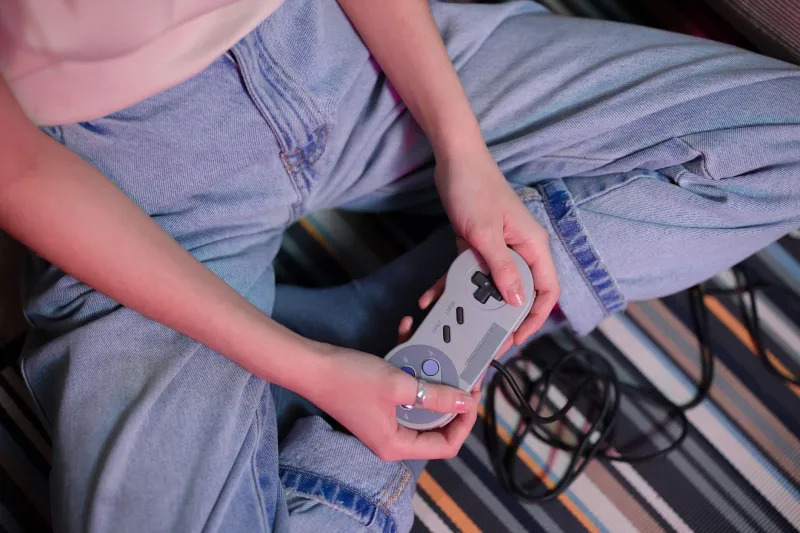
For people who grew up in the '80s and '90s, this all feels natural. These are their touchstones. But for someone born in 2005? They're being asked to adopt someone else's nostalgia as their own cultural identity, and the industry has built an entire revenue stream around facilitating that transaction.
Nintendo's Museum Admission Fee
No company has monetized this dynamic more aggressively — or more skillfully — than Nintendo. The company has spent decades carefully managing access to its classic catalog in ways that would be considered almost cartoonish in any other entertainment industry.
Movies from the 1980s are generally available to stream for a few bucks a month. Classic albums are on Spotify. But if you want to play Super Mario 64 legally on a current device, Nintendo controls that access almost completely, and they price it accordingly. Nintendo Switch Online's Expansion Pack tier — required for N64 access — runs nearly $50 a year. Individual classic titles through the eShop have historically been priced at levels that would make a used bookstore blush.
This isn't just about price gouging, though that's real. It's about artificial scarcity applied to cultural history. Nintendo periodically "discontinues" access to digital titles, creating the same FOMO mechanics that live service games use for cosmetics — but for actual pieces of gaming history. When the company pulled the 3DS and Wii U eShops, it didn't just close a storefront. It made legal access to hundreds of games significantly harder to obtain, in ways that disproportionately affect players without the money or means to buy physical copies at collector-market prices.
Younger players, who didn't grow up with these games and don't have childhood cartridges sitting in a box somewhere, bear the full cost of this access model.
Who Gets to Own Their Own Childhood?
Here's the cultural dimension that bothers me most about all of this. Every generation of gamers is supposed to get their own defining moment — the titles, the characters, the experiences that are theirs in a way that belongs to their specific time and place.
Millennials had the SNES and the N64. Older Gen Z had the PS2 era. But right now, the dominant cultural narrative in gaming — the one being amplified by YouTube algorithms, gaming publications, and the industry's own marketing apparatus — is that the peak was already 30 years ago and everything since has been a footnote.
That's a genuinely strange and kind of depressing message to send to a generation of young players who are just now discovering games. "Welcome to the playground. By the way, all the best equipment was here before you arrived, and if you want to use it, it'll cost extra."
The indie scene is doing some of the most creative work in gaming right now, but even there, retromania has a grip. Pixel art aesthetics dominate partly because they're genuinely charming and partly because they signal a kind of cultural legitimacy borrowed from the 8-bit era. Some of the most acclaimed indie titles of the last decade are explicitly framed as love letters to games from the '80s and '90s. That's not inherently bad — but when the reference pool never expands, it starts to feel less like homage and more like creative stagnation.
The New Classics Are Out There
This isn't a screed against old games. Super Metroid is still incredible. Chrono Trigger holds up. The classics earned their status.
But gaming in 2025 is producing work that deserves its own cultural moment — games that are defining the medium in ways that are genuinely new, not just referential. The problem is that the industry's nostalgia machine is so loud and so profitable that it drowns out the conversation about what's being built right now.
A 17-year-old who falls in love with a game that came out this year deserves to have that experience treated as culturally significant — not as something they need to contextualize against a reference library from before they were born. Their playground should have new equipment, not just a carefully restored and expensively licensed version of what used to be there.
The retro economy isn't going anywhere. The money is too good and the emotional pull is too strong for it to simply fade. But maybe the industry — and gaming culture more broadly — could make a little more room for the idea that the best games don't have to be behind us. Some of them might actually be ahead.
And the generation that's going to make them is already here, paying admission to someone else's nostalgia while they wait for their turn.